Posts tonen met het label post-COVID syndrome. Alle posts tonen

vrijdag 8 januari 2021

Long COVID awareness #2 ! Assessment of post COVID-19 Syndrome and recovery options

On December 23, 2020, I have posted an extensive message on Long COVID. Long COVID, post-COVID Syndrome or COVID Associated Syndrome (CAS) all refer to persisting symptoms after coronavirus infection. In some individuals, COVID might not have resolved yet (recovery might be impaired), in others, inflammatory syndromes may occur. 

Long COVID has to be defined in each individual case, which is why assessment and monitoring of post-COVID patients is needed. People with persistent health complaints should not be overlooked, but instead should be investigated to prevent long-term health impairment. For long COVID to dissolve, individual and specific recovery treatment is required.

There are specific markers to rule out inflammatory syndromes; these should be included in the assessment of patients that present with persisting symptoms such as fatigue, fever, muscle pain, overall illness, impaired respiratory capacity and performance capacities. To rule out ongoing viral activity and to assess whether the patient has been infected, perform a RT-PCR SARS-CoV-2 test and antigen test. 

Possible etiologies of long COVID are: ongoing thrombotic/thrombo-embolic activity due to coronavirus infection, manifestations of neurological involvement, Multisystem Inflammatory Syndrome in Adults (MIS-A) and CoVILD (a noun for COVID-interstitial lung disease). 

Treatment options to consider are neuromotor training, speech therapy, physiotherapy to recover heart/lung/performance function and non-corticosteroid anti-inflammatory therapy. In order to obtain consecutive knowledge and treatment options for long COVID, the Royal College of General Practitioners has launched a course that includes possible diagnoses, guidelines, learning assessments and referral tools. The other course of importance is the COVID-19 Recovery Course, developed by the RCGP. This course provides additional information on best practices and experiences with 19 years of SARS-Coronavirus long-term health effects (since the SARS-CoV-1 epidemic from 2003-2005).

Resources that are of use to aid long COVID-19 recovery:
1. Primary Care Respiratory Support Society, PCRS COVID-19 Guidance;
2. RCGP Learning, Course: Recovery from COVID-19 (take the assessment to learn how to address persistent health complaints of COVID-19 affected patients, download guidelines and consult links to health organizations);
3. Royal College of Occupational Therapists: Recovering from COVID-19: Post viral-fatigue and conserving energy;
4. Sepsis trust Critical Care and Critical Illness Recovery, sepsis in COVID-19 and recovery;
5. Critical Care Recovery, COVID-19;
6. COVID-19 Resources for Practitioners;
7. COVID-19 Workforce Wellbeing practitioners


woensdag 23 december 2020

Long COVID Awareness #1 (Long COVID Syndrome/ Post-COVID-19 long haulers)

Overview
1. What is long COVID?
2. What do reports on patients with post-COVID-19 syndrome point out?
3. What is MIS-A?
4. Inflammation of the heart caused by COVID-19: refer patients for examination;
5. What else should be paid attention to?
6. Is it a new phenomenon? About the consequences of the first SARS coronavirus, 2003;
7. Can lung capacity be improved?
8. How should post-COVID / long COVID be treated?
9. To be investigated further: hyperferritinaemia (iron overload), fat metabolism, EGFR and mitochondrial health

1. What is long COVID?
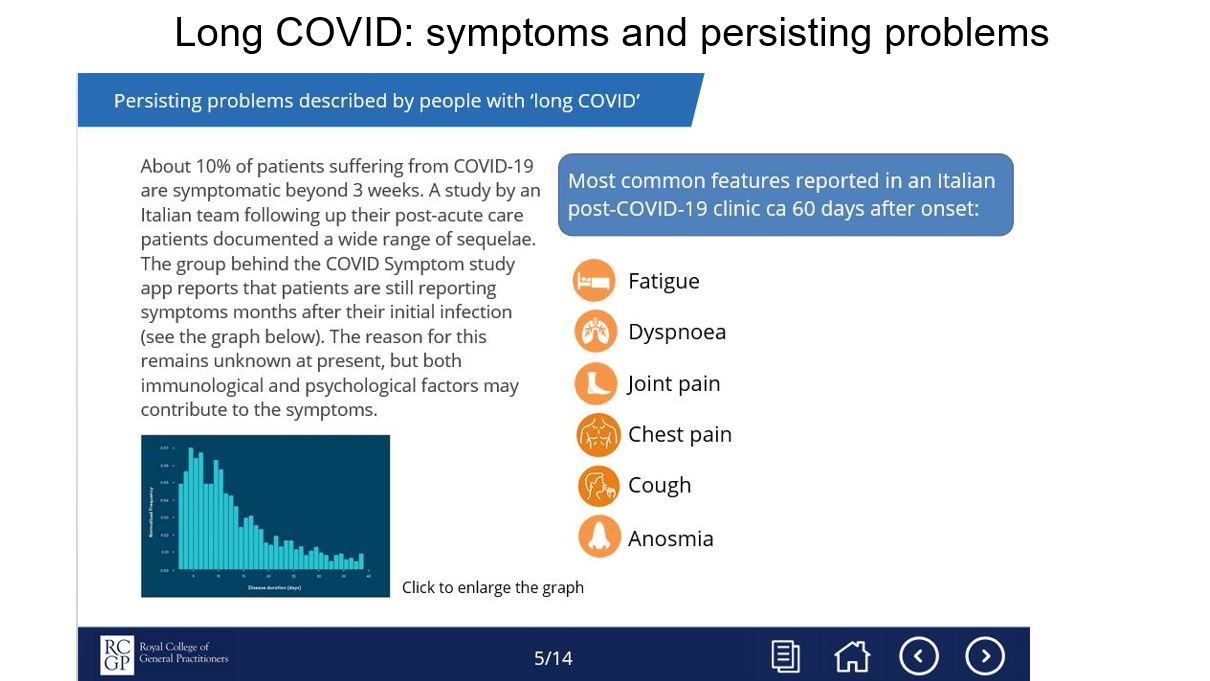
Long COVID was introduced by people who have had COVID-19 and are still dealing with health problems after weeks or months. These may include fatigue, exhaustion with moderate exertion, decrease in lung capacity, a persistent cough, chest pain, recurrent fever, and other symptoms. The official term is "Post acute COVID-19" or "Post-COVID-19 syndrome". The Long Alliance Netherlands uses the term "COVID-19 Associated Syndrome", CAS. Long COVID is not specific. In some cases, persistent symptoms may be the result of pneumonia (Persistent Symptoms in Patients After Acute COVID-19, JAMA 2020; 324 (6): 603-605).

COVID-19 poses all grades of the disease (mild to severe) at risk of damage to the heart, lungs, kidneys and brain. Because COVID is a microthrombotic disease, small "clumps" can form in the fine vessels. Psychological and motor problems that arise during and after COVID-19 can be the result of neurological damage from the virus. Strokes, epilepsy and Guillain-Barré syndrome (a neurological disease) can also occur in young people. COVID-19 increases the risk of developing Parkinson's and Alzheimer's in the long term (COVID-19 (coronavirus): Long-term effects, Mayo Clinic, November 17, 2020).

Long COVID is used as a collective term for systemic diseases, immune disorders and inflammatory reactions resulting from COVID-19. Long COVID also includes post-IC syndrome and post-viral syndrome. An specific example of an inflammatory disease that can result from COVID is MIS-A (Multisystem Inflammatory Syndrome in Adults).

2. What do reports on patients with Post-COVID-19 syndrome point out?
In a follow-up study in 150 people who have had non-critical COVID-19, 30% report respiratory difficulties (dyspnoea) on day 60 after the first symptoms; 40% report general weakness (asthenia) on day 60. Half of this patient group works in the medical sector and half of this study population has at least one underlying disease (Follow-up of adults with noncritical COVID-19 two months after symptom onset, Clinical Microbiology and Infection, October 5, 2020).

A similar picture is painted in an evaluation of patients hospitalized in 2020 for COVID-19 (IC and non-IC patients). The disadvantage of these and other recent evaluations is that the details are lacking, that patients themselves report, that no control takes place, and that no control group is involved in the study for comparison. The comorbidities in this group are high blood pressure (46.7%), high BMI (47.5%) and diabetes (21.7%) (Post-discharge persistent symptoms and health-related quality of life after hospitalization for COVID -19, Journal of Infection Vol. 81, Issue 6, December 1, 2020). In a group of 143 patients previously admitted for COVID, 35% of whom have high blood pressure, 18% thyroid disease, 11% immune disease, 9% COPD, and 7% diabetes, fatigue (53%), breathing problems (43%) and joint pain (arthralgia, 27%) have been reported. Also in this study, the necessary details are lacking, the study itself reports that the pneumonia resulting from COVID-19 can cause the persistent symptoms (Persistent Symptoms in Patients After Acute COVID-19, JAMA 2020; 324 (6): 603 -605).

More specific is a follow-up of 384 former COVID between day 47 and day 59 after hospital discharge. 7.3% of 247 patients have a persistently low level of white blood cells, 30.1% of 229 patients have an elevated D-dimer value (D-dimer elevation indicates the breakdown of blood clots in the body) and 9.5% of 190 patients have an increase in the C-reactive protein (CRP, a protein produced by the liver in inflammation). Of 244 patients who received a chest X-ray during the evaluation, 9% had deteriorated lung tissue and 14.8% needed further investigation (Long-COVID: a cross-sectional study of persisting symptoms, biomarker and imaging abnormalities following hospitalization for COVID-19, Thorax, November 10, 2020).

3. What is MIS-A?
MIS-A stands for Multi Inflammatory Syndrome in Adults. Until recently it was known that children can develop this systemic syndrome after infectious diseases, in children it is called "MIS-Children". It means that the body remains in a state where it is trying to clear up an infection. This inflammatory response is different from inflammation and organ dysfunction due to hypoxia. A variety of symptoms are reported in the sparse literature on MIS-A.

Patients may present with persistent sore throat, fever, weakness, general malaise, stiffness, diarrhea, rash, shock, kidney failure, eating problems, pressure, palpitations of the heart ("fluttering"), ringing in the ears, haemophilia, a weak pulse, low blood pressure, nausea, very dark urine, pain when swallowing and burning when urinating. To determine if it is MIS-A, an RT-PCR and antigen test must be performed, supplemented with a measurement of the inflammatory and thrombotic markers CRP (C-reactive protein), ferritin, D-dimer, alanine aminotransferase (liver function), absolute lymphocyte count (ALC) and troponin (heart function). The examination is complemented by CT scans to assess the organs, a chest X-ray to detect any frosted glass spots on the lungs, an ultrasound scan of the heart (TTE), ECG of the heart and ejection fraction examination of the heart.

In the reported cases of MIS-A, inflammatory markers were markedly elevated and resulted in endothelial damage or coagulopathy from SARS-CoV-2 infection. In one case, particles of the complement system were found in the blood vessels. Treatment with corticosteroids, heparin, phenylephrine, dobutamine, Remdesivir, tocilizumab, midodrine, norepinephrine and vasopressin, among others, improved (Case Series of MIS-A Associated with SARS-CoV-2 Infection-- United Kingdom and United States, March-August 2020 , Morbidity and Mortality Weekly Report CDC, Oct 9, 2020; 69 (40): 1450-1456).
 
4. Inflammation of the heart caused by COVID-19: refer patients for examination
Inflammation of the heart muscle may develop in recovered COVID patients. An MRI study of 100 patients recovered from COVID showed that 78% had heart problems and 60% had persistent inflammation of the heart. In the patient group, the presence of LGE (Late Gadolinium Enhancement, a marker for fibrosis and edema due to inflammation of the pericardium) and a marked increase in troponin (Outcomes of Cardiovascular MRI in Patients Recently Recovered from COVID-19, JAMA Cardiology 2020; 5 ( 11): 1265-1273).

Practitioners are advised to include COVID-19 suspicion in new cardiological complaints are reported (Myocardial injury and COVID-19: Possible mechanisms, Life Sciences 2020, July 15, 2020; 253). In a study among competitive and endurance athletes, 15% showed abnormalities on the Cardio-MR, which indicate myocarditis, while LGE is present in 30.8%. Also in this group, fibrosis and edema due to inflammation of the heart tissue as a result of COVID (Cardiovascular Magnetic Resonance Findings in Competitive Athletes Recovering from COVID-19 Infection, JAMA Cardiology, September 11, 2020). There is currently no guideline regulating a return to competitive and endurance sports after COVID-19. The collection of troponin, ECG and ultrasound is recommended in all cases (from asymptomatic COVID-19 to COVID with severe complaints).

At least 2 weeks of rest after infection is recommended. In case of myocarditis (inflammation of the heart muscle), 3 to 6 months rest may be recommended. If there has been "mild" COVID-19 infection, exercise can be resumed according to the "50/30/20/10 principle": in the first week, the normal intensity and duration are halved, until the fourth week. only 10% of the intensity and duration of sports activities is reduced (Considerations for Return to Exercise Following Mild-to-Moderate COVID-19 in the Recreational Athlete, Muscoskeletal Journal of Hospital for Special Surgery 2020 Nov; 16 (Suppl 1): 102 -107).

5. What else should be paid attention to?
Muscle pain occurs in 15% of COVID patients. In most cases this will pass. If the muscle pain persists due to inflammatory mechanisms after COVID, heat, ice cooling, optional topical non-steroidal anti-inflammatory drugs (NSAIDs) and stretching exercises are applied. Because COVID-19 is a disease with an increased risk of thromboembolic disease, physicians should be alert to athletes reporting fibula pain and consider investigating VTE (venous thromboembolism) (Considerations for Return to Exercise Following Mild -to-Moderate COVID-19 in the Recreational Athlete, Muscoskeletal Journal of Hospital for Special Surgery 2020 Nov; 16 (Suppl 1): 102-107).

Persistent fatigue could be due to Autoimmune Hemolytic Anemia (AIHA) (Autoimmune haemolytic anemia associated with COVID-19 infection, British Journal of Haematology Vol. 190, Issue 1, July 2020, p. 29-31). Hemoglobin must be checked to rule out anemia.

6. Is it a new phenomenon? About the consequences of the first SARS coronavirus, 2003
No, long term effects of coronavirus disease are not new. The virus that causes COVID-19 (Coronavirus Disease-2019) is SARS-CoV-2, a relative of SARS-CoV-1. In 2003 Asia and Canada were badly hit by the SARS-1 epidemic. In 2006 and 2010, international studies were conducted among people who had recovered from SARS-1. A 2005 evaluation reports that a decline in gas transmission in the lungs was observed in 15.5% of SARS survivors (Impact of SARS on pulmonary function, functional capacity and quality of life in survivors, Thorax May 2005; 60 (5 ): 401-409).

In a group of 37 patients, stability of deterioration was reported in 20-30% of cases 3 years after SARS-CoV-1 infection (the functions FVC, VC and especially FEF showed no improvement after 3 years), ( Changes in pulmonary function in SARS patients during the three-year convalescent period, Zhongguo Wei Zhong, September 2007; 19 (9): 536-8). This means that, while pulmonary performance had deteriorated, the clinical picture had not become worse.

In a 2010 study, 52% of SARS survivors found a deterioration in the diffusion capacity of the lungs (DLCO). In ARDS, 76% of patients have a limitation in DLCO after 5 years. On the CT scans, ground glass opacities, ground glass spots between the lungs and disruption of the pressure in the lungs (air trapping) were seen (Pulmonary sequelae in convalescent patients after SARS: evaluation with thin-section CT, Radiology , September 1, 2005). Epithelial tissue damage and pulmonary fibrosis explain these persistent limitations in lung capacity, while lack of fitness training aggravates the condition. Average performance on the 6-minute walk test (6MWT) remains below par (The long-term impact of SARS on pulmonary function, exercise and health status, Respirology April 2010; 15 (3): 543-550).

A 15-year review was published in February 2020, covering former SARS patients treated between 2003 and 2005. Lung function (total lung capacity, TLC and carbon monoxide diffusion, DCLO) has not significantly improved over the past 15 years in SARS patients with pulmonary fibrosis. Direct treatment of pneumonia can prevent the lung function of SARS / COVID survivors from deteriorating. In 15 of the 71 patients evaluated, hip necrosis (femoral head necrosis) has occurred on a bump course of corticosteroids, but remarkably (favorably) this hip necrosis may be reduced. With controlled dosing of corticosteroids, this risk can be reduced (Long-term bone and lung consequences associated with hospital-acquired SARS: a 15-year follow-up from a prospective cohort study. Bone Research 2020; 8: 8).
 
7. Can lung capacity be improved?
Patients that have been mechanically ventilated for any disease may present with post-IC syndrome. Post-IC syndrome (PICS) may also occur in patients admitted to the ICU for COVID-19. It is recommended that a special rehabilitation center be set up to see patients after discharge from the ICU. Ventilated patients should be examined for barotrauma and lactic acid deposition from respiratory exhaustion.

It is a common view that COVID patients discharged from the ICU score below average on the 6-minute walk test (6MWT). Rehabilitation specialists should monitor for neuropathy, myopathy (inflammation of the muscles), cognitive and neurological functions, respiration, heart function, and musculoskeletal functions. Neuromotor exercises should be performed to prevent disease and deterioration of body functions due to inactivity (Early Rehabilitation in post-acute COVID-19 patients: data from an Italian COVID-19 Rehabilitation Unit and proposal of a treatment protocol, Edizioni Minerva Medica 2020 October; 56 (6): 633-41).

A recent evaluation of 145 COVID-19 patients after 100 days concluded that the cardiopulmonary damage (damage to lungs and heart) has decreased and is no longer an obstacle. Although the CT scans seem to indicate no pulmonary fibrosis, it is difficult to distinguish between inflammation in the lung tissue and incipient pulmonary fibrosis (Cardiopulmonary recovery after COVID-19 - an observational prospective multi-center trial, European Respiratory Journal. 2020 December 10).
 
8. How should post-COVID / long COVID be treated?
Patients who have had "mild" or no COVID complaints have usually not had an examination. Fibrosis, thrombotic activity and any neurological consequences can be overlooked.

To avoid misdiagnoses, investigations for inflammation markers (inflammatory markers), thrombotic activity / pulmonary thromboembolism (D-dimer and C-reactive protein), neurological examination and imaging (CT / MRI) of lungs can be conclusive. If the symptoms persist 3 weeks after the first COVID-19 symptoms, the blood can be checked for the total picture, electrolytes, liver and kidney function, troponin, D-dimer, brain natriuretic peptides (BNP), CRP and ferritin to reduce inflammation and assess thrombosis activity. In addition, chest X-rays, urinalysis and an EKG can be performed, as well as tests of thyroid function. Patients should not be excluded from referral on the grounds that an RT-PCR gives a negative result (National Institute for Health and Care Excellence, COVID-19 Guideline: Managing the long-term effects of COVID-19, NICE Guideline 188).

The Royal College of General Practitioners (RCGP), has a clear module for general practitioners and referrers (Course: Long COVID-19). The BMJ has also issued an advisory report for management of post-acute COVID-19 (Management of post-acute COVID-19 in primary care, BMJ 2020; 370). Immune-related disruption of the autonomic system should be considered when orthostatic intolerance (orthostatic hypotension, a drop in blood pressure), fainting and tachycardia occur (Autonomic dysfunction in 'long COVID': rationale, physiology and management strategies, Clinical Medicine Journal, November 28, 2020 ). If the patient has swallowing and speech problems due to COVID-19, it is suggested that a referral is made to the speech therapist. Physiotherapy is recommended for condition building under supervision (monitoring heart / lung function), twice a week (A proposal for multidisciplinary tele-rehabilitation in the assessment and rehabilitation of COVID-19 survivors, International Journal of Environmental Research and Public Health, July 2020; 17 (13): 4890).

9. To be investigated further: hyperferritinaemia (iron overload), fat metabolism, EGFR and mitochondrial health

Hyperferritinaemia and CoVILD (Interstitial Lung Disease)

Hyperferritinaemia can occur during and after infections, such as coronavirus infection. It means that there is an excess of iron in certain parts of the body. Hyperferritin, iron overload, is associated with persistent inflammation and persistent lung disease after infectious diseases (The Hyperferritenemic Syndrome: macrophage activation syndrome, Still's disease, septic shock and catastrophic antiphospholipid syndrome, BMC Medicine 2013; 11: 185). It is not yet entirely clear whether hyperferritin is a result of inflammation, or whether it has an inflammatory effect; hyperferritin is believed to contribute to the "cytokine storm" that occurs in severe COVID-19 (Severe COVID-19, Another Piece in the Puzzle of the Hyperferritinemic Syndrome. An Immunomodulatory Perspective to Alleviate the Storm, Frontiers in Immunology 2020; 11; 1130).

The influence of a SARS-CoV-2 disrupted iron balance on persistent lung problems / lung fibrosis is currently being investigated (Persisting alterations of iron homeostasis in COVID-19 are associated with non-resolving lung pathologies and poor patients' performance: a prospective cohort study , Respiratory Research 2020; 21: 276). The study is registered under the "Development of Interstitial Lung Disease (ILD) in Patients with Severe SARS-CoV-2 Infection (COVID-19) (CovILD)" trial.

Lipid metabolism
In patients who survived the first SARS coronavirus (2003), impaired lipid metabolism is observed 12 years after infection. Long-term treatment of SARS patients with Methylprednisolone is associated with changes in fat metabolism (Altered Lipid Metabolism in SARS Patients Twelve Years after Infection, Scientific Reports 2017; 7: 9110).

Fibrosis due to over-activation of the epidermal growth factor receptor

A 2017 study found that over-activation of the epidermal growth factor receptor (EGFR) after infection with the SARS coronavirus causes fibrosis. Modulating EGFR activity is a potential treatment option to prevent / mitigate COVID-19 fibrosis (Overactive Epidermal Growth Factor Receptor Signaling Leads to Increased Fibrosis after SARS Coronavirus Infection, Journal of Virology 2017 Jun 15; 91 (12 )).

Mitochondrial dysfunction and oxidative stress

Finally, it is clear that the health of mitochondria during and after COVID-19 is an important factor in the disease process and recovery. Mitochondria regulate the energy of the cell and are involved in immunity and inflammatory responses. The cells' waste product is oxidative stress or, more specifically, Reactive Oxygen Species (ROS). If the functioning of mitochondria is disrupted by an invader, such as the coronavirus, oxidative stress increases and mitochondria can die.

By disrupting the normal functioning of the mitochondria, these energy regulators are less able to fight the cells against inflammation and infections. Physical activity, the absorption of antioxidants, including melatonin, Vitamin C, the steroid Vitamin D3 and phenols are important for the maintenance of healthy mitochondria. The exact role of mitochondria in long COVID is under investigation.

Colchicine, an anti-inflammatory agent

The reappraisal of colchicine for the treatment of inflammation deserves mention. This medicine could be given to treat pericarditis and myocarditis (inflammation of the pericardium or inflammation of the heart muscle).


zaterdag 19 december 2020

Long COVID Awareness #1 (post-COVID-19 syndroom)/ COVID-19 long haulers

Overzicht
1. Wat is long COVID?
2. Wat melden rapportages over patiënten met post-COVID-19-syndroom?
3. Wat is MIS-A?
4. Ontstekingen aan het hart door COVID-19: verwijs patiënten door voor onderzoek;
5. Waar moet nog meer op worden gelet?
6. Is het een nieuw verschijnsel? Over de gevolgen van het eerste SARS-coronavirus, 2003;
7. Is verbetering van de longcapaciteit mogelijk?
8. Hoe moet post-COVID/ long COVID worden behandeld?
9. Nader te onderzoeken: hyperferritinemie (ijzerstapeling), vetmetabolisme, EGFR en "mitochondrial health"

1. Wat is long COVID?
Long-COVID is geïntroduceerd door mensen die COVID-19 hebben gehad en na weken of maanden nog met gezondheidsklachten te maken hebben. Het kan gaan om vermoeidheid, om uitputting bij matige inspanning, afname van longcapaciteit, een aanhoudende hoest, pijn op de borst, terugkerende koorts en andere ziekteverschijnselen. De officiële term is "Post acute COVID-19" of "Post-COVID-19 syndroom". De Long Alliantie Nederland gebruikt de term "COVID-19 Associated Syndrome", CAS.

Long-COVID is niet specifiek. In sommige gevallen kunnen aanhoudende klachten het gevolg zijn van een longontsteking (Persistent Symptoms in Patients After Acute COVID-19, JAMA 2020;324(6):603-605). COVID-19 geeft in alle gradaties (mild tot ernstig) risico op schade aan het hart, de longen, nieren en de hersenen. Omdat COVID een microtrombotische ziekte is, kunnen kleine "klonters" ontstaan in de fijne vaten. Psychische en motorische problemen die ontstaan tijdens en ná COVID-19, kunnen het gevolg zijn van neurologische schade door het virus. Ook bij jongeren kunnen hersenbloedingen, epilepsie en het Guillain-Barré-syndroom (een neurologische ziekte) voorkomen. COVID-19 geeft een verhoogd risico op het ontwikkelen van Parkinson en Alzheimer op lange termijn (COVID-19 (coronavirus): Long-term effects, Mayo Clinic, 17 november 2020).

Long-COVID wordt wel als verzamelnaam gebruikt voor systemische ziekten, immuunstoornissen en ontstekingsreacties die het gevolg zijn van COVID-19. Onder long-COVID kunnen ook het post-IC-syndroom en post-viraal-vermoedheidssyndroom worden geschaard. Een voorbeeld van een ontstekingsziekte die het gevolg kan zijn van COVID, is MIS-A (Multisystem Inflammatory Syndrome in Adults).

2. Wat melden rapportages over patiënten met Post-COVID-19-syndroom?
In een vervolgstudie onder 150 mensen die niet-kritieke COVID-19 hebben gehad, meldt 30% op dag 60 ná de eerste symptomen ademnood (dyspnoe); 40% meldt algehele zwakte (asthenie) op dag 60. De helft van deze patiëntengroep werkt in de medische sector en de helft heeft minimaal één onderliggende ziekte  (Follow-up of adults with noncritical COVID-19 two months after symptom onset, Clinical Microbiology and Infection, 5 oktober 2020). Hetzelfde beeld wordt geschetst in een evaluatie van patiënten die in 2020 in  het ziekenhuis opgenomen zijn geweest voor COVID-19 (IC- en niet-IC-patiënten). Het nadeel van deze en andere recente evaluaties is dat de details ontbreken, dat patiënten zelf rapporteren, dat géén controle plaatsvindt en dat er ook geen controlegroep ter vergelijking is betrokken bij de studie. De comorbiditeiten in deze groep zijn een hoge bloeddruk (46,7%), een hoog BMI (47,5%) en diabetes (21,7%) (Post-discharge persistent symptoms and health-related quality of life after hospitalization for COVID-19, Journal of Infection Vol. 81, Issue 6, 1 december 2020).

In een groep van 143 patiënten die eerder waren opgenomen voor COVID en van wie 35% een hoge bloeddruk heeft, 18% schildklieraandoeningen, 11% immuunaandoeningen, 9% COPD en 7% diabetes, worden vermoeidheid (53%), ademhalingsproblemen (43%) en gewrichtspijn (artralgie, 27%) gerapporteerd. Ook in deze studie ontbreken de nodige details, de studie zelf meldt dat de longontsteking die het gevolg is van COVID-19, de aanhoudende klachten kan veroorzaken (Persistent Symptoms in Patients After Acute COVID-19, JAMA 2020;324(6):603-605).

Specifieker is de follow-up van 384 voormalig COVID-patiënten tussen dag 47 en dag 59 ná ontslag uit het ziekenhuis. 7,3% van 247 patiënten heeft een aanhoudend laag niveau van witte bloedcellen, 30,1% van 229 patiënten heeft een verhoogde D-dimeerwaarde (D-dimeerverhoging duidt op de afbraak van bloedstolsels in het lichaam) en 9,5% van 190 patiënten heeft een verhoging van het C-reactief proteïne (CRP, een eiwit dat door de lever wordt geproduceerd bij ontstekingen). Van 244 patiënten bij wie tijdens de evaluatie een thoraxfoto werd afgenomen, is bij 9% het longweefsel verslechterd en bij 14,8% is nader onderzoek nodig (Long-COVID: a cross-sectional study of persisting symptoms, biomarker and imaging abnormalities following hospitalization for COVID-19, Thorax, 10 november 2020).

3. Wat is MIS-A?

MIS-A staat voor Multi Inflammatory Syndrome in Adults. Tot voor kort was bekend dat kinderen dit systemische syndroom ná infectieziekten kunnen ontwikkelen, bij kinderen heet het "MIS-Children". Het houdt in dat het lichaam in een staat blijft verkeren waarin het probeert om een infectie op te ruimen. Deze ontstekingsreactie is anders dan ontstekingen en verstoorde werking van de organen die toe te schrijven zijn aan hypoxie. In de schaarse literatuur over MIS-A wordt een variatie aan symptomen vermeld. Patiënten kunnen zich melden met aanhoudende keelpijn, koorts, zwakte, algehele malaise, stijfheid, diarree, uitslag, shock, nierfalen, eetproblemen, druk, palpitaties van het hart ("overslagen"), oorsuizen, hemofilie, een zwakke pols, lage bloeddruk, misselijkheid, zeer donkere urine, pijn bij het slikken en een brandend gevoel bij het plassen.

Om te bepalen of het MIS-A is, moeten een RT-PCR en antigeentest worden afgenomen, aangevuld met een meting van de ontstekingsmarkers en trombosemarkers CRP (C-reactief proteïne), ferritine, D-dimeer, alanine aminotransferase (leverfunctie), absolute aantal lymfocyten (ALC) en troponine (hartfunctie). Het onderzoek wordt aangevuld met CT-scans om de organen te beoordelen, een thoraxfoto om eventuele matglasvlekken op de longen te ontdekken, een echo van het hart (TTE), ECG van het hart en ejectie-fractieonderzoek van het hart.

In de gerapporteerde gevallen van MIS-A waren de ontstekingsmarkers duidelijk verhoogd en was beschadiging van het endothelium of coagulopathie door SARS-CoV-2-infectie de aanleiding. In één van de gevallen werden deeltjes van het complementsysteem teruggevonden in de bloedvaten. Behandeling met onder meer corticosteroïden, heparine, fenylefrine, dobutamine, Remdesivir, tocilizumab, midodrine, norepinefrine en vasopressine brachten verbetering (Case Series of MIS-A Associated with SARS-CoV-2 Infection-- United Kingdom and United States, March-August 2020, Morbidity and Mortality Weekly Report CDC, 9 oktober 2020; 69(40): 1450-1456).

4. Ontstekingen aan het hart door COVID-19: verwijs patiënten door voor onderzoek

In herstelde COVID-patiënten kunnen ontstekingen aan de hartspier optreden. Een MRI-onderzoek onder 100 patiënten die hersteld zijn van COVID, toonde dat 78% hartproblemen had en 60% een aanhoudende ontsteking aan het hart. In de patiëntgroep werden aanwezigheid van LGE (Late Gadolinium Enhancement, een marker voor fibrose en oedeem door ontsteking van het hartzakje) en een duidelijke verhoging van troponine (Outcomes of Cardiovascular MRI in Patients Recently Recovered from COVID-19, JAMA Cardiology 2020;5(11):1265-1273). Artsen moeten COVID-19-verdenking betrekken in nieuwe cardiologische klachten van patiënten die zich bij hen melden (Myocardial injury and COVID-19: Possible mechanisms, Life Sciences 2020, 15 juli 2020; 253).

In een onderzoek onder competitiesporters en duursporters werden bij 15% afwijkingen gevonden op de Cardio-MR, die op myocarditis duiden, terwijl bij 30,8% LGE aanwezig is. Ook bij deze groep traden fibrose en oedeem door ontsteking van het hartweefsel als gevolg van COVID op (Cardiovascular Magnetic Resonance Findings in Competitive Athletes Recovering from COVID-19 Infection, JAMA Cardiology, 11 september 2020).

Er is thans geen richtlijn die terugkeer naar competitiesport en duursport ná COVID-19 reguleert. De afname van troponine, ECG en een echo wordt in alle gevallen (van asymptomatische COVID-19 tot COVID met ernstige klachten) aanbevolen. Minimaal wordt 2 weken rust na de infectie aangeraden. In geval van myocarditis (ontsteking van de hartspier) kan 3 tot 6 maanden rust worden aanbevolen. Als er "milde" COVID-19-infectie is geweest, kan het sporten worden hervat volgens het "50/30/20/10-principe": in de eerste week worden de normale intensiteit en duur gehalveerd, tot in de vierde week nog maar 10% van de intensiteit en duur van de sportactiviteiten wordt verminderd (Considerations for Return to Exercise Following Mild-to-Moderate COVID-19 in the Recreational Athlete, Muscoskeletal Journal of Hospital for Special Surgery 2020 nov;16(Suppl 1): 102-107).

5. Waar moet nog meer op worden gelet?
In 15% van de COVID-patiënten treedt spierpijn op. Deze gaat in de meeste gevallen over. Als de spierpijn aanhoudt door ontstekingsmechanismen ná COVID, worden warmte, ijskoeling, eventueel topische niet-steroïde ontstekingsremmers (NSAIDs) en strekoefeningen toegepast.

Omdat COVID-19 een ziekte is met een verhoogd risico op trombo-embolische aandoeningen, dienen artsen alert te zijn op sporters die pijn aan het kuitbeen melden en onderzoek naar VTE (veneus trombo-embolisme) te overwegen (Considerations for Return to Exercise Following Mild-to-Moderate COVID-19 in the Recreational Athlete, Muscoskeletal Journal of Hospital for Special Surgery 2020 nov;16(Suppl 1): 102-107).

Aanhoudende vermoeidheid zou het gevolg kunnen zijn van Auto-Immuun Hemolytische Anemie (AIHA) (Autoimmune haemolytic anaemia associated with COVID-19 infection, British Journal of Haematology Vol. 190, Issue 1, juli 2020, p. 29-31). Het hemoglobine moet worden gecontroleerd om bloedarmoede uit te sluiten.

6. Is het een nieuw verschijnsel? Over de gevolgen van het eerste SARS-coronavirus, 2003
Nee. Het virus dat COVID-19 (Coronavirus Disease-2019) veroorzaakt is SARS-CoV-2, een familielid van SARS-CoV-1. In 2003 werden Azië en Canada sterk getroffen door de SARS-1-epidemie. In 2006 en 2010 zijn internationaal onderzoeken uitgevoerd onder mensen die waren hersteld van SARS-1.

Een evaluatie uit 2005 meldt dat in 15,5% van de SARS-overlevers een achteruitgang in de gastransmissie in de longen werd waargenomen (Impact of SARS on pulmonary function, functional capacity and quality of life in survivors, Thorax mei 2005;60(5): 401-409). In een groep van 37 patiënten werd 3 jaar na SARS-CoV-1-infectie in 20-30% van de gevallen stabiliteit van de verslechtering gemeld (de functies FVC, VC en met name FEF vertoonden na drie jaar nog geen verbetering), (Changes in pulmonary function in SARS patients during the three-year convalescent period, Zhongguo Wei Zhong, september 2007;19(9):536-8).

In een studie uit 2010 wordt bij 52% van de SARS-overlevers een verslechtering van de diffusiecapaciteit van de longen geconstateerd (DLCO). Bij ARDS heeft 76% van de patiënten na 5 jaar een beperking in DLCO. Op de CT-scans werden matglasvlekken in de longen (ground glass opacities), matglasvlekken tussen de longen en verstoring van de druk in de longen (air trapping) gezien (Pulmonary sequelae in convalescent patients after SARS: evaluation with thin-section CT, Radiology, 1 september 2005). Beschadiging van het epitheel weefsel en longfibrose verklaren deze aanhoudende beperkingen van de longcapaciteit, terwijl gebrek aan conditietraining de toestand verergert. De gemiddelde prestatie op de 6-minuten-looptest (6MWT) blijft ondermaats  (The long-term impact of SARS on pulmonary function, exercise and health status, Respirology april 2010; 15(3): 543-550).

In februari 2020 werd een evaluatie van 15 jaar gepubliceerd, die gaat over voormalig SARS-patiënten die tussen 2003 en 2005 zijn behandeld. De longfunctie (totale longcapaciteit, TLC en koolmonoxidediffusie, DCLO) is over de afgelopen 15 jaar niet significant verbeterd in SARS-patiënten met longfibrose. Directe behandeling van een longontsteking kan voorkomen dat de longfunctie van SARS-/COVID-overlevers verslechtert. In 15 van de 71 geëvalueerde patiënten is necrose in de heup opgetreden (femoral head necrosis) door een stootkuur corticosteroïden, maar opmerkelijk genoeg (gunstig gesproken) kan deze heupnecrose afnemen. Met gecontroleerde dosering van corticosteroïden kan dit risico worden verkleind (Long-term bone and lung consequences associated with hospital-acquired SARS: a 15-year-follow-up from a prospective cohort study. Bone Research 2020; 8:8).

7. Is verbetering van de longcapaciteit mogelijk?
Patiënten die beademd zijn, kunnen post-IC-syndroom vertonen. In patiënten die voor COVID-19 op de IC zijn opgenomen en mechanisch beademd zijn, kan ook post-IC-syndroom (PICS) optreden. Het verdient aanbeveling om een speciaal rehabilitatiecentrum in te richten om patiënten na ontslag uit van de ziekenhuisafdeling op te vangen. Patiënten die zijn beademd, dienen te worden onderzocht op barotrauma en afzetting van melkzuur door uitputting van de ademhaling. Het is een algemeen beeld dat COVID-patiënten die van de IC komen, ondermaats scoren op de 6-minuten-looptest (6MWT).

Revalidatiespecialisten dienen te controleren op neuropathie, myopathie (ontsteking van de spieren), op cognitieve en neurologische functies, op de ademhaling, de werking van het hart en spier-skeletfuncties. Neuromotorische oefeningen moeten worden gedaan om ziekte en verslechtering van de lichaamsfuncties door inactiviteit te voorkomen (Early Rehabilitation in post-acute COVID-19 patients: data from an Italian COVID-19 Rehabilitation Unit and proposal of a treatment protocol, Edizioni Minerva Medica 2020 oktober;56(6):633-41).

Een recente evaluatie van 145 COVID-19 patiënten na 100 dagen wordt geconcludeerd dat de cardiopulmonaire schade (schade aan longen en hart) is afgenomen en geen belemmering meer oplevert. Hoewel de CT-scans erop lijken te duiden dat géén sprake is van longfibrose, is het onderscheid tussen ontstekingen in het longweefsel en beginnende longfibrose moeilijk te maken (Cardiopulmonary recovery after COVID-19-- an observational prospective multi-center trial, European Respiratory Journal 2020 december 10).

8. Hoe moet post-COVID/long COVID worden behandeld?
Patiënten die "milde" of geen COVID-klachten hebben gehad, hebben meestal geen beeldvormend onderzoek gehad. Fibrose, trombose-activiteit en eventuele neurologische gevolgen kunnen over het hoofd worden gezien. Er is op dit moment een onderzoeksvoorstel van het AMC om patiënten met aanhoudende COVID-gerelateerde klachten aan gedragstherapie te onderwerpen.

Om misdiagnoses te voorkomen, kunnen onderzoek op ontstekingsmarkers (inflammatoire markers), trombotische activiteit/pulmonair trombo-embolisme (D-dimeer en C-reactief proteïne), neurologisch onderzoek en beeldvormend onderzoek (CT/MRI) aan longen uitsluitsel geven. Als de klachten 3 weken na de eerste COVID-19-symptomen aanhouden, kan het bloed worden gecontroleerd op het totaalbeeld, electrolytes, lever- en nierfunctie, troponine, D-dimeer, brain natriuretic peptides (BNP), CRP en ferritin om ontstekingen en trombose-activiteit te beoordelen. Aanvullend kunnen thoraxfoto's, urine-onderzoek en een ECG worden uitgevoerd, evenals onderzoek naar de schildklierfunctie. Patiënten moeten niet van verwijzing worden uitgesloten op de grond dat een RT-PCR een negatieve uitslag geeft (National Institute for Health and Care Excellence, COVID-19 Guideline: Managing the long-term effects of COVID-19, NICE Guideline 188). Nederland heeft geen richtlijn voor de behandeling van long COVID-19, de Royal College of General Practitioners (RCGP) heeft daarentegen een overzichtelijke module voor huisartsen en verwijzers (Course: Long COVID-19). De BMJ heeft ook een advies voor management van post-acute COVID-19 uitgegeven (Management of post-acute COVID-19 in primary care, BMJ 2020;370).

Immuungerelateerde verstoring van het autonome systeem moet worden overwogen als orthostatische intolerantie (orthostatische hypotensie, een daling van de bloeddruk), flauwvallen en tachycardie optreden (Autonomic dysfunction in 'long COVID': rationale, physiology and management strategies, Clinical Medicine Journal, 28 november 2020).

Als de patiënt slik- en spraakproblemen heeft ten gevolge van COVID-19, wordt voorgesteld om door te verwijzen naar de logopedist. Fysiotherapie wordt aanbevolen voor opbouw van de conditie onder begeleiding (monitoring hart-/longfunctie), 2 maal per week (A proposal for multidisciplinary tele-rehabilitation in the assessment and rehabilitation of COVID-19 survivors, International Journal of Environmental Research and Public Health, juli 2020; 17(13): 4890).

9. Nader te onderzoeken: hyperferritinemie (ijzerstapeling), vetmetabolisme, EGFR en "mitochondrial health"

Hyperferritinemie en CoVILD (Interstitial Lung Disease)
Hyperferritinemie kan optreden tijdens en ná infecties, zoals infectie met het coronavirus. Het houdt in dat er op bepaalde delen in het lichaam een overschot aan ijzer ontstaat. Hyperferritine, ijzerstapeling, wordt geassocieerd met aanhoudende ontstekingen en aanhoudende longaandoeningen ná infectieziekten (The Hyperferritenemic Syndrome: macrophage activation syndrome, Still's disease, septic shock and catastrophic antiphospholipid syndrome, BMC Medicine 2013; 11: 185).

Het is nog niet helemaal duidelijk of hyperferritine een gevolg is van een ontsteking, of juist ontstekingsbevorderend werkt; het wordt aangenomen dat hyperferritine bijdraagt aan de "cytokine storm" die in ernstige COVID-19 optreedt (Severe COVID-19, Another Piece in the Puzzle of the Hyperferritinemic Syndrome. An Immunomodulatory Perspective to Alleviate the Storm, Frontiers in Immunology 2020; 11; 1130). Op dit moment wordt de invloed van een door SARS-CoV-2 verstoorde ijzerhuishouding op aanhoudende longproblemen/longfibrose onderzocht (Persisting alterations of iron homeostasis in COVID-19 are associated with non-resolving lung pathologies and poor patients' performance: a prospective cohort study, Respiratory Research 2020; 21: 276). Het onderzoek is geregistreerd onder de trial "Development of Interstitial Lung Disease (ILD) in Patients with Severe SARS-CoV-2 Infection (COVID-19) (CovILD)". 

Vetmetabolisme
In patiënten die het eerste SARS-coronavirus (2003) hebben overleefd, wordt een verstoord vetmetabolisme waargenomen, 12 jaar na infectie. Langdurige behandeling van SARS-patiënten met Methylprednisolon wordt geassocieerd met veranderingen in het vetmetabolisme (Altered Lipid Metabolism in SARS Patients Twelve Years after Infection, Scientific Reports 2017;7: 9110).

Fibrose door overactivering van de epidermale groeifactor-receptor
In een studie uit 2017 werd geconstateerd dat overactivering van de epidermale groeifactor-receptor (EGFR) ná infectie met het SARS-coronavirus voor fibrose zorgt. Het moduleren van de activiteit van de EGFR is een mogelijke behandeloptie om fibrose als gevolg van COVID-19 te voorkomen/beperken (Overactive Epidermal Growth Factor Receptor Signaling Leads to Increased Fibrosis after SARS Coronavirus Infection, Journal of Virology 2017 jun 15; 91(12)).

Verstoorde werking van mitochondria en oxidatieve stress
Ten slotte is duidelijk dat de gezondheid van mitochondria tijdens en ná COVID-19 een belangrijke factor is in het ziekteproces en het herstel. Mitochondria regelen de energiehuishouding van de cel en zij zijn betrokken bij immuniteit en ontstekingsreacties. Het afvalproduct van de cellen is oxidatieve stress of, specifieker, Reactive Oxygen Species (ROS). Als de werking van mitochondria wordt verstoord door een indringer, bijvoorbeeld het coronavirus, neemt de oxidatieve stress toe en kunnen mitochondria afsterven. Door verstoring van de normale werking van de mitochondria zijn deze energieregelaars minder goed in staat om de cellen te weren tegen ontstekingen en infecties. Lichamelijke activiteit, de opname van antioxidanten, waaronder melatonine, Vitamine C, de steroïde Vitamine D3 en fenolen zijn van belang voor het onderhoud van gezonde mitochondria. De exacte rol van mitochondria in long COVID wordt nader onderzocht. 

Colchicine, een ontstekingsremmer
Vermelding verdient de herwaardering van colchicine voor de behandeling van ontstekingen. Dit middel zou kunnen worden toegediend om pericarditis en myocarditis (ontstekingen van het hartzakje resp. ontsteking van de hartspier) te kunnen behandelen.